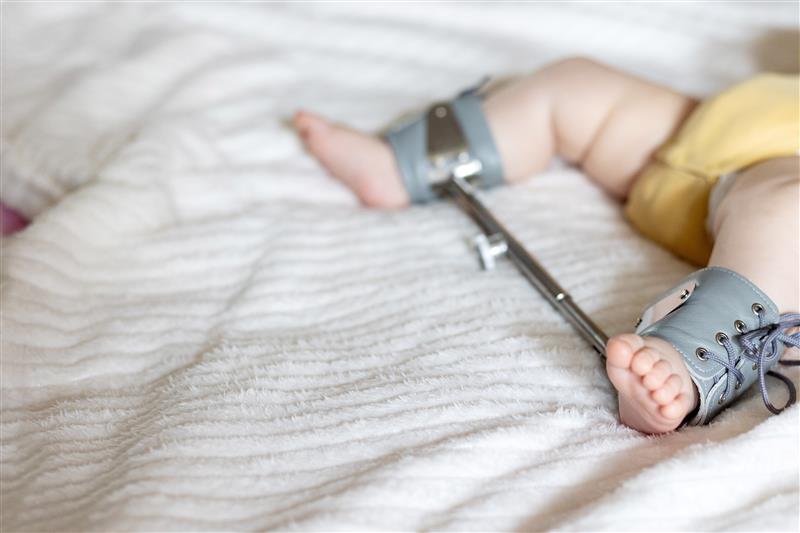
Hip dysplasia is a condition where the hip joint does not form properly. Because the hip is important for movement, this problem can cause pain and trouble walking. Early detection of hip dysplasia is important for better outcomes. In this blog, you will learn about hip dysplasia, its symptoms, causes, diagnosis, and treatment options. You will also find tips for daily living and prevention.
What is Hip Dysplasia?
Hip dysplasia means the hip joint is not shaped as it should be. Normally, the top of the thigh bone fits snugly into the hip socket. However, in hip dysplasia, the socket is too shallow or loose. As a result, the joint can move out of place or wear down faster. This condition can affect babies, children, and adults. Sometimes, it is called developmental dysplasia of the hip (DDH).
Symptoms of Hip Dysplasia
Symptoms of hip dysplasia can vary by age. For example, babies may not show clear signs. However, as children grow, problems may appear. Adults may notice pain or trouble moving. Common symptoms include:
Sometimes, symptoms are mild at first. But over time, they can get worse. If you notice any of these signs, it is important to talk to a doctor.
Causes and Risk Factors
There are several causes and risk factors for hip dysplasia. Some people are born with it, while others develop it later. Key causes and risks include:
Although anyone can get hip dysplasia, these factors increase the risk. Early screening can help find the problem sooner.
Diagnosis of Hip Dysplasia
Doctors use several methods to diagnose hip dysplasia. First, they ask about symptoms and family history. Next, they do a physical exam. For babies, doctors gently move the hips to check for looseness or clicks. In older children and adults, doctors may look for pain or limited movement. To confirm the diagnosis, doctors often use imaging tests such as:
If you or your child has hip pain or trouble walking, see a doctor. Early diagnosis can prevent further joint damage.
Treatment Options for Hip Dysplasia
Treatment for hip dysplasia depends on age and severity. Early treatment often leads to better results. Options include both non-surgical and surgical methods:
Sometimes, a combination of treatments is needed. Your doctor will suggest the best plan based on your needs.
Living with Hip Dysplasia
Living with hip dysplasia can be challenging, but many people manage well. Here are some tips for daily life:
With the right care, many people lead active lives. However, regular check-ups are important to monitor your hip health.
Prevention and Early Detection
While not all cases can be prevented, some steps may help. For example, proper swaddling of babies can lower risk. Early screening, especially for high-risk babies, is key. If you have a family history of hip problems, tell your doctor. Early detection allows for simpler treatments and better outcomes.
Conclusion and Next Steps
In summary, hip dysplasia is a condition where the hip joint doesn’t form correctly. Early signs may be mild, but timely diagnosis and treatment are crucial. If you notice hip pain, limping, or other symptoms, don’t wait. Consult Dr. Dineysh Dhytadak, an orthopedic specialist, for personalized guidance.