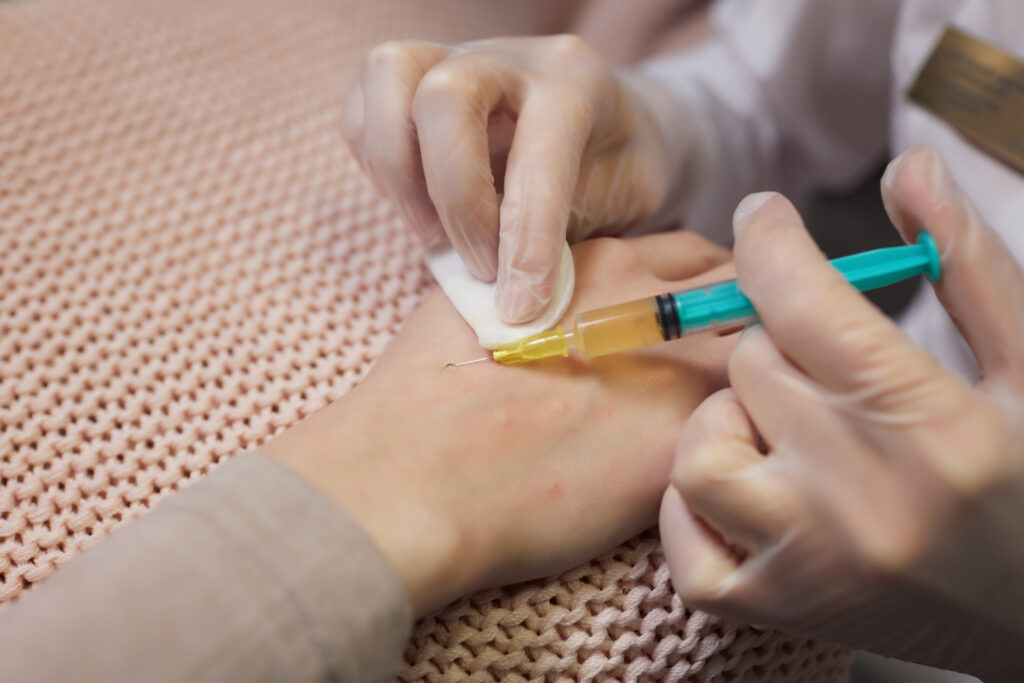
Platelet-Rich Plasma (PRP) Therapy is a natural treatment that uses your own blood to help heal chronic tendon and ligament injuries. Many people choose PRP for tendon injuries and PRP for ligament healing because it supports the body’s own repair process. As a result, this natural treatment for chronic injuries is gaining popularity among those seeking safe and effective options. PRP therapy may help reduce pain, speed up recovery, and improve movement without surgery.
What is Platelet-Rich Plasma (PRP) Therapy?
PRP therapy is a medical treatment that uses a part of your blood called plasma. Plasma contains platelets, which are tiny cells that help your body heal. During PRP therapy, doctors take a small amount of your blood and spin it in a machine. This process separates the platelets from other blood parts. Then, the doctor injects the concentrated platelets into the injured area. Because PRP uses your own blood, it is considered a natural and safe option for healing.
How Does PRP Therapy Work for Tendon and Ligament Injuries?
When you have a tendon or ligament injury, healing can be slow. However, PRP therapy helps speed up this process. The platelets in PRP release special growth factors. These growth factors help repair damaged tissue and reduce inflammation. As a result, PRP for tendon injuries and PRP for ligament healing can help your body recover faster. In many cases, people notice less pain and better movement after treatment.
Common Symptoms and Conditions Treated with PRP
PRP therapy is often used for chronic injuries that do not heal with rest or other treatments. Some common symptoms and conditions treated with PRP include:
If you have any of these symptoms, PRP therapy may be an option. Always talk to your doctor before starting any new treatment.
The PRP Therapy Procedure: What to Expect
Before the procedure, your doctor will review your medical history. Next, they will draw a small amount of blood from your arm. Then, the blood is placed in a machine called a centrifuge. This machine spins the blood to separate the platelets. After that, the doctor injects the platelet-rich plasma into the injured area. The whole process usually takes about one hour. Most people can go home the same day. You may feel mild soreness at the injection site, but this often goes away quickly.
Benefits and Effectiveness of PRP for Chronic Injuries
Many people choose PRP therapy because it is natural and uses their own blood. Some key benefits include:
According to studies published in medical journals, PRP therapy can be effective for many chronic injuries. However, results may vary from person to person. (Sources: CDC, PubMed)
Potential Risks and Side Effects
Although PRP therapy is generally safe, there are some risks. Because the treatment uses your own blood, serious side effects are rare. However, you may experience:
Most side effects are mild and go away on their own. Still, it is important to follow your doctor’s advice and report any unusual symptoms.
Recovery, Aftercare, and Lifestyle Tips
After PRP therapy, you may need to rest the treated area for a few days. However, your doctor will give you specific instructions. Some helpful tips include:
With proper care, many people return to normal activities within a few weeks.
Prevention and Long-Term Management
Even after PRP therapy, it is important to protect your tendons and ligaments. Here are some ways to prevent future injuries:
For long-term health, regular check-ups and a healthy lifestyle can help keep your joints strong.
In summary, Platelet-Rich Plasma (PRP) Therapy offers a natural way to heal chronic tendon and ligament injuries. If you are struggling with ongoing pain, consult an orthopedic specialist to see if PRP therapy is right for your chronic tendon or ligament injury.Chronic pain not improving with regular treatment?
Explore natural healing with PRP therapy by Dr. Dineysh Dhytadak.
Book your consultation today and accelerate your recovery.