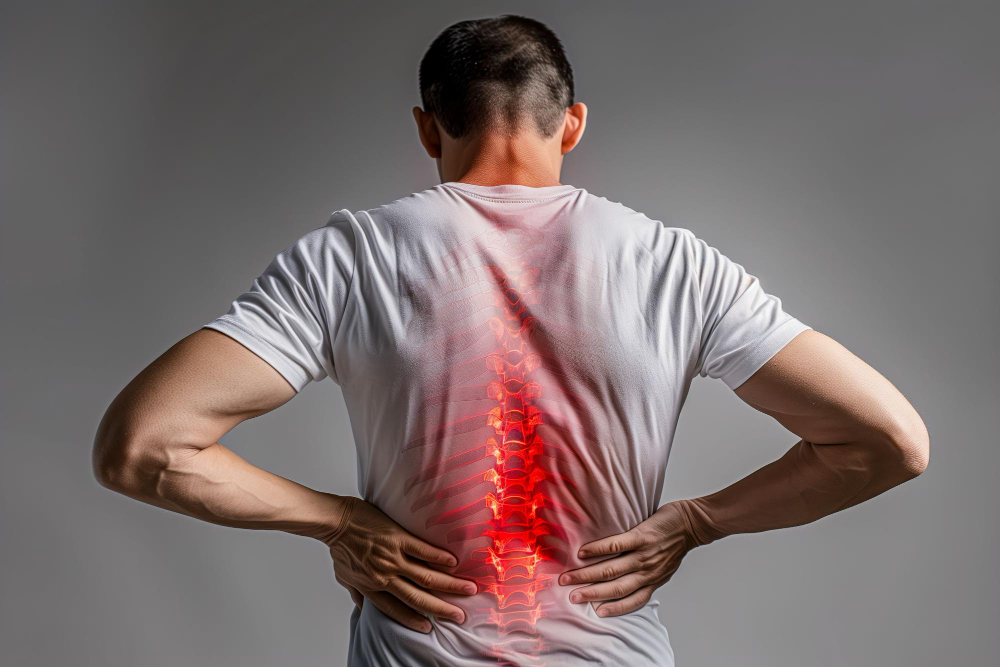
What Is Lumbar Canal Stenosis?
Lumbar canal stenosis is a condition where the spinal canal in your lower back becomes narrow. Because of this narrowing, nerves in the lower back can get squeezed. As a result, you may feel pain, numbness, or weakness in your legs. Often, this problem affects older adults. However, it can happen to anyone. The spinal canal is the space in your spine that holds the nerves. When it gets tight, it can cause many symptoms. According to the CDC, spinal canal narrowing is a common cause of leg pain in older people.
Common Symptoms and Signs
Many people with lumbar canal stenosis notice symptoms slowly. For example, you may feel mild discomfort at first. Over time, symptoms can get worse. Here are the most common signs:
Sometimes, symptoms of lumbar canal stenosis can come and go. But if you notice these signs often, it is important to seek help.
Causes and Risk Factors
There are several reasons why lumbar canal stenosis can develop. Most often, it happens as people age. However, other factors can play a role. Here are some common causes:
Additionally, certain risk factors increase your chances of developing lumbar canal stenosis:
Knowing these causes and risks can help you protect your lumbar spine health.
How Is Lumbar Canal Stenosis Diagnosed?
Doctors use several steps to diagnose lumbar canal stenosis. First, they ask about your symptoms and medical history. Next, they perform a physical exam. During the exam, your doctor may check your reflexes, strength, and feeling in your legs. Often, imaging tests help confirm the diagnosis. These tests include:
With these tools, doctors can find the exact cause of your leg pain from lumbar stenosis. Early diagnosis can lead to better treatment results.
Treatment Options for Lumbar Canal Stenosis
Treatment for lumbar canal stenosis depends on how severe your symptoms are. In many cases, simple steps can help. However, some people may need more advanced care. Here are common treatment options:
According to the WHO, most people improve with non-surgical treatments. But if you have severe leg pain from lumbar stenosis, surgery can help restore movement and reduce pain.
Lifestyle Tips and Prevention
While you cannot always prevent lumbar canal stenosis, healthy habits can lower your risk. For example, staying active keeps your spine strong. Here are some tips to protect your lumbar spine health:
By following these tips, you can support your spine and reduce the risk of spinal canal narrowing.
When to See a Doctor
If you have ongoing back or leg pain, do not ignore it. Especially if you notice numbness, weakness, or trouble walking, it is important to seek medical advice. Early treatment can prevent symptoms from getting worse. In some cases, untreated lumbar canal stenosis can lead to permanent nerve damage. Therefore, always talk to a doctor if you have concerns about your lumbar spine health.
Consult an orthopedic specialist at Dr. Dineysh Dhytadak for personalized guidance on lumbar canal stenosis management and relief.