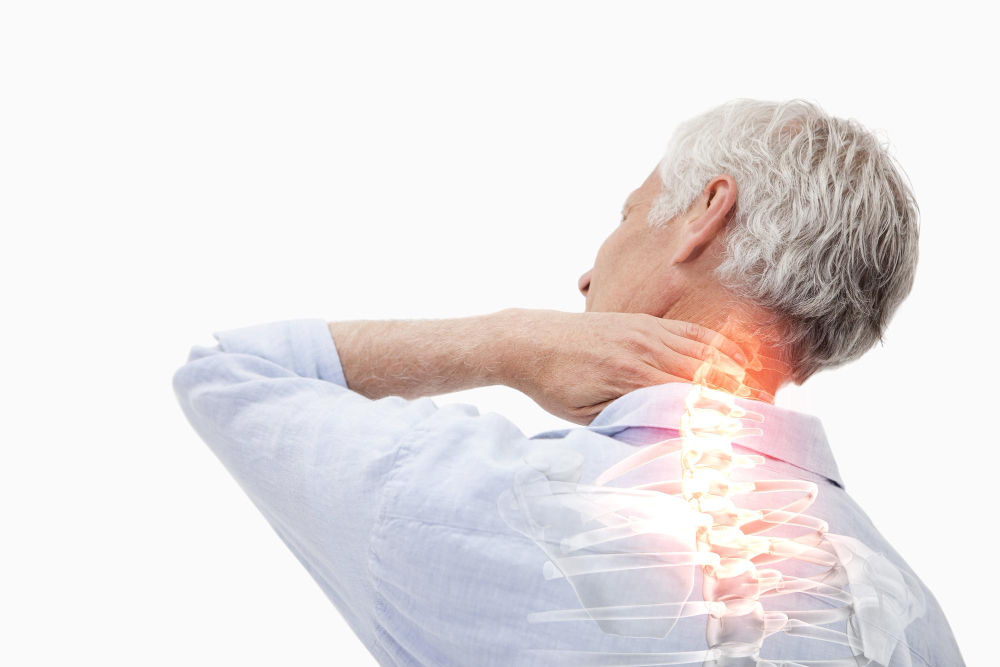
What is Cervical Spondylosis?
Cervical spondylosis is a common condition that affects the neck. It is also known as neck arthritis or cervical spine degeneration. As people age, the bones and discs in the neck can wear down. This wear and tear may lead to pain, stiffness, or other symptoms. In fact, most people over 60 have some signs of cervical spondylosis, even if they do not notice symptoms. According to the World Health Organization, neck pain is a leading cause of disability worldwide.
Common Symptoms
Many people with cervical spondylosis do not have symptoms. However, some may notice problems. For example, symptoms can include:
Sometimes, symptoms may come and go. But if you notice new or worsening signs, it is important to seek help.
Causes and Risk Factors
Cervical spondylosis happens as the neck ages. Over time, the discs between the bones lose water and become less flexible. As a result, the bones may rub together. This can cause bone spurs, which are small growths that may press on nerves.
Several factors can increase your risk:
Even though aging is the main cause, lifestyle choices can play a role too.
How is Cervical Spondylosis Diagnosed?
Doctors use several steps to diagnose cervical spondylosis. First, they ask about your symptoms and medical history. Next, they perform a physical exam. During the exam, your doctor may check your neck movement, reflexes, and muscle strength.
Sometimes, tests are needed to confirm the diagnosis. These may include:
Early diagnosis can help prevent further problems. Therefore, it is important to see a doctor if you have ongoing neck pain.
Treatment Options
Most people with cervical spondylosis do not need surgery. In fact, many find relief with simple treatments. Common options include:
In some cases, doctors may suggest steroid injections to reduce swelling. Rarely, surgery may be needed if nerves are badly pressed or if other treatments do not help. According to the CDC, most people improve with non-surgical care.
Lifestyle Tips and Prevention
While you cannot stop aging, you can lower your risk of neck arthritis. Here are some helpful tips:
By making small changes, you can protect your neck and reduce pain.
When to See a Doctor
Sometimes, neck pain goes away on its own. However, you should see a doctor if:
Early treatment can prevent serious problems. Therefore, do not ignore ongoing symptoms.
Conclusion
Cervical spondylosis is a common cause of neck pain, especially as we age. Although it can be uncomfortable, most people manage symptoms with simple treatments and lifestyle changes. If you have neck pain or other symptoms, consult Dr. Dineysh Dhytadak for personalized advice on cervical spondylosis.